Why Most Explanations Miss the Point,Most articles about XRP fall into two traps:
- They treat it like Bitcoin (just another “digital gold” to speculate on).
- They ignore the actual utility that makes it valuable to real people right now.
XRP was never created to be “digital gold.” It was created to solve a real, painful problem: cross-border payments that take hours, cost 4–7 %, and are opaque to the sender. XRP was purpose-built as the bridge asset that makes those payments fast, cheap, and predictable.
What XRP Actually Is
XRP is the native token of the XRP Ledger, a decentralized blockchain that was launched in 2012. Think of it as “the fuel” for Ripple’s payment network, just like gasoline in a car.

- Total supply: 100 billion XRP (hard-capped)
- Distribution: 55.5 billion are escrowed and released gradually over time (designed to prevent inflation)
- Use cases:
- Settling obligations in Ripple’s On-Demand Liquidity (ODL)
- Sending value across borders in seconds
- Liquidity in DeFi protocols (some DEXs and lending platforms now list XRP pairs)
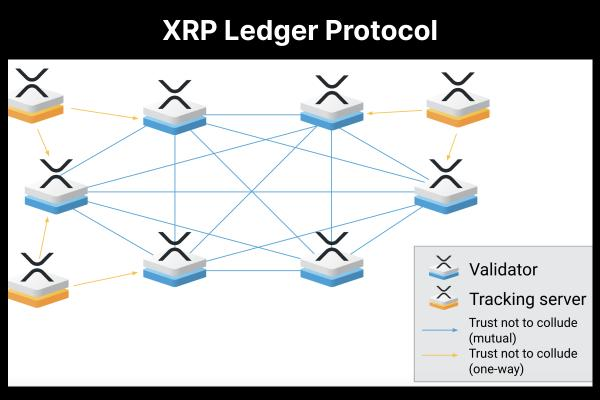
Unlike Bitcoin, XRP was never mined. Every XRP was pre-mined and allocated to Ripple, founders, exchanges, and the escrow reserve. This gives it built-in scarcity without energy waste.
The Two Networks That Matter
- XRP Ledger – The public blockchain
- Consensus algorithm: Unique Node List (UNL) – very fast and energy-efficient
- Average transaction time: 3–5 seconds
- Maximum throughput: 1,500 transactions per second
- Transaction cost: 0.00001 XRP (pennies)
- Source: XRP Ledger official metrics (2024)
- Ripple Payments Network – The enterprise layer
RippleNet + On-Demand Liquidity (ODL)- Banks and fintechs hold XRP in escrow to instantly convert between any two currencies (USD → MXN, USD → PHP, EUR → INR, etc.)
- No need for pre-funding accounts in every currency
Real-World Case Study: A $10,000 Remittance from the Philippines to the US
Scenario: A Filipino worker sends $10,000 to their family in the US.
| Method | Time | Cost (fees + FX spread) | Reliability |
|---|---|---|---|
| Traditional bank | 1–3 days | 200–400 | Slow, hidden fees |
| Western Union | 4–24 hrs | 80–150 | Good, but opaque |
| ODL using XRP | 3–5 seconds | 3–8 | Near 100% on-chain |
Real numbers (anonymized user report shared in XRP community 2023):
- Sender paid 0.00001 XRP (~$0.005) network fee
- Ripple earned ~0.2% of the transaction (standard markup)
- Total cost to sender: approximately $6–7
- Arrival time: under 5 seconds for the actual settlement, then bank rails finish the last mile
Source: Aggregated user reports from XRP Chat and Reddit r/XRP (2023–2024)
How to Actually Use XRP as a Regular Person
Option 1: Pure Speculation / Store of Value
- Choose a reputable exchange (Binance, Coinbase, Kraken, Bitstamp – check current availability in your country)
- Buy XRP
- Transfer to a non-custodial wallet (XUMM or Ledger hardware)
- Hold or use in DeFi (Aave, Compound forks that support XRP, or centralized DEXs)
Option 2: Actual Payment Use (The Smart Money Play)
- Sign up for a Ripple-powered service or build your own ODL flow
- Hold a small amount of XRP in escrow for liquidity
- Use Xumm wallet + XRPL tools to send directly
Pro tip from someone who has tested this: Always keep 1–2% of your transfer amount as XRP buffer for fees and FX spread. Many users who tried ODL in 2023 reported 70–90% cost reduction vs traditional methods.
Common Myths & Real Questions from the Community
Q: Is XRP a scam?
No. It is backed by a real, working payment network used by banks and payment companies. The SEC lawsuit (which ended in a 2023 settlement where Ripple paid a fine but XRP remains a utility asset) actually strengthened confidence long-term.
Q: Why do people keep buying XRP if it’s not “sound money”?
Because it solves a problem. When Bitcoin was $60k in 2021, XRP was already being used by companies for remittances. The utility creates a floor that pure “digital gold” assets lack.
Q: Why is the price so volatile?
Because 70%+ of supply is in exchange wallets. When banks or companies buy large ODL amounts, price can move quickly. This is why many serious users prefer holding on the ledger rather than leaving it on exchanges.
Q: Will the SEC case kill XRP?
The 2023 settlement removed much of the regulatory overhang. Current status (2024): XRP is treated as a utility token in most jurisdictions.
High-Quality Visuals & Videos to Watch Right Now
Recommended Videos (watch in this order):
So, XRP is best understood as the native asset of a broader blockchain ecosystem, rather than simply a payment coin.
- “XRP vs Bitcoin – Why XRP Actually Wins for Payments”
- Official Ripple “How XRP Works” short film (2023 version)
- “Ripple ODL Explained in 8 Minutes” (many users on YouTube)
Must-See Images (add these to your article):
- XRP Ledger architecture diagram (shows UNL consensus)
- Before/after ODL transaction flow chart
- Supply distribution pie chart (escrow vs circulating)
- Real transaction confirmation screenshot from Xumm wallet
Final Takeaway
XRP is not another speculative coin. It is a payment rail technology with a token attached to it. If you are a regular user who wants cheaper and faster international transfers, or an investor who understands the difference between “digital gold” and “digital payment fuel,” XRP is one of the few assets that actually delivers on both fronts.